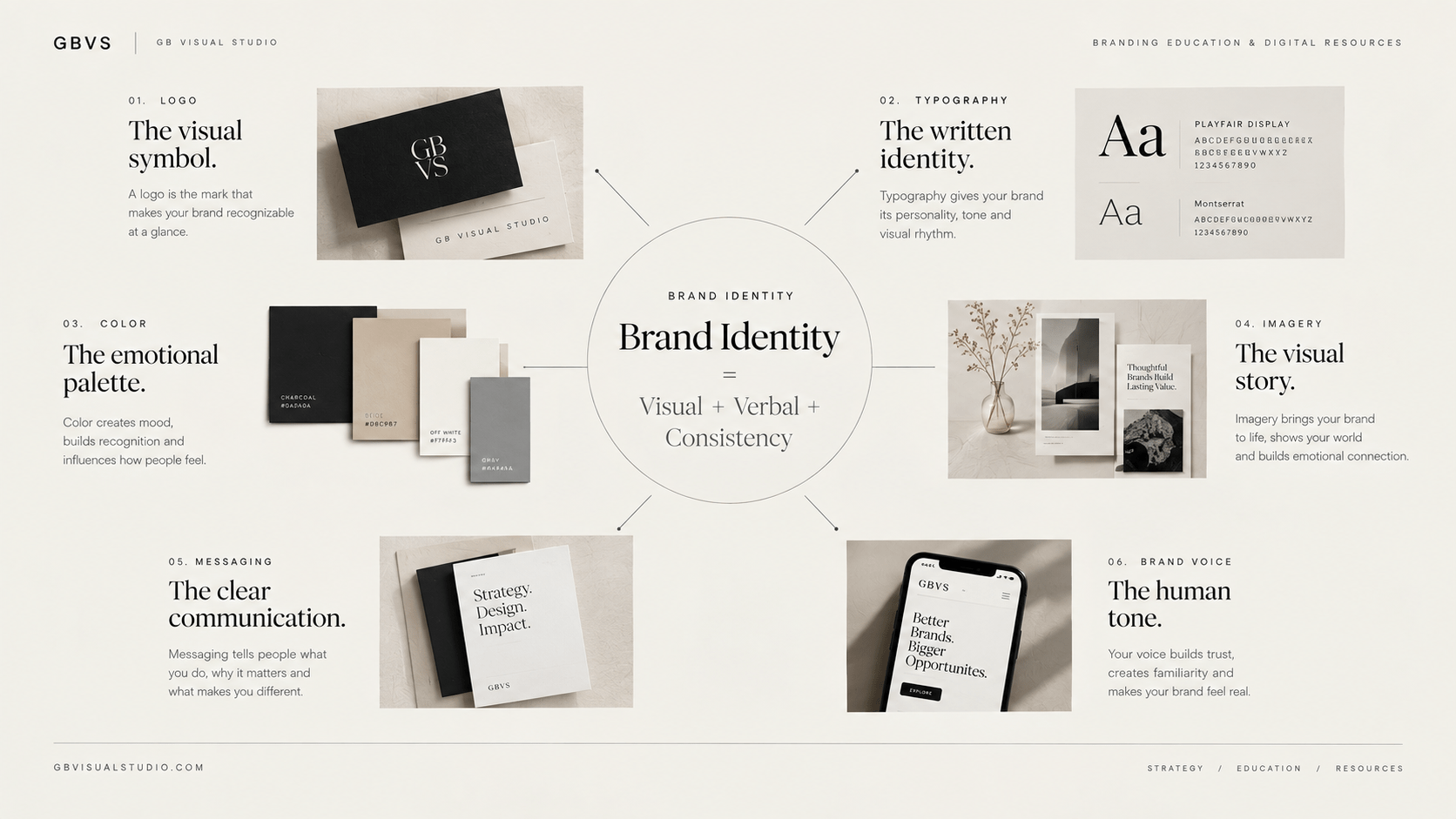
The whole path, from idea to first customers.
Let’s clear something up: a digital product business isn’t “make a PDF, post about it, wake up rich.”
It’s a real business. It has a customer, a problem, a product, a price, and a way to reach people. The advantage is that it’s lean: no inventory, no shipping, and a product you can sell many times once it exists. The catch is that low barriers mean heavy competition, so clarity and quality matter more, not less.
This is the hub guide for how to start a digital product business. Follow the sequence, and use the linked guides for each step.
A note on expectations: no one can promise a specific income. Results depend on your niche, product quality, audience, and consistency. This guide helps you reduce avoidable mistakes, not guarantee outcomes.
What You'll Learn
ToggleWhat counts as a digital product
A digital product is something customers receive electronically that helps them get a result: templates, workbooks, planners, guides, e-books, toolkits, swipe files, checklists, mini-courses, or prompt libraries. You create it once and deliver it automatically.
The best ones don’t sell information. They sell progress: a faster, clearer path to something the buyer already wants.
The six-stage path
Stage 1: Choose a problem and a person
Start with a specific person and a specific problem. “Entrepreneurs” is too broad. “Solo service providers who struggle to explain what they do” gives you somewhere useful to start.
Look for overlap between three things: what you know, what you’ve helped yourself or someone else solve, and what people repeatedly struggle with. That overlap is a starting point—not proof that people will buy. Your experience can make your product more distinctive, especially when generic information is easy to find.
Write a simple working statement:
I help [specific person] solve [specific problem] so they can [specific result].
You can refine it later. For now, make it concrete enough to test.
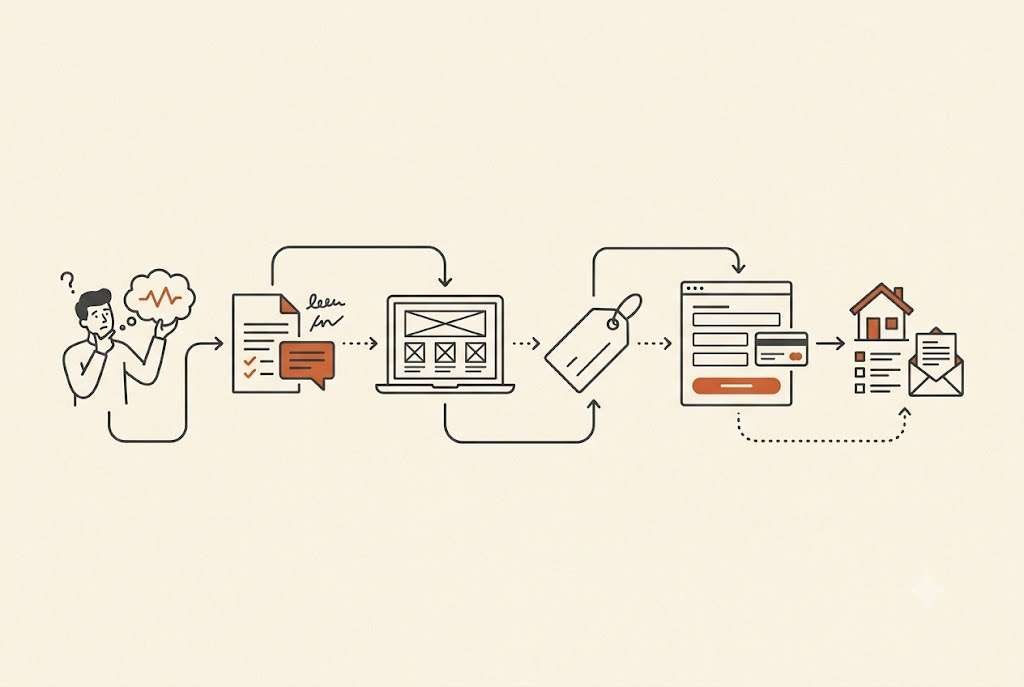
Stage 2: Validate before you build
Before you spend weeks creating, look for evidence that people have the problem and are willing to take a next step. Useful signals include detailed replies, conversations, waitlist signups, or a small number of pre-sales.
Ask about what people currently do, what frustrates them, and what they’ve already tried. Compliments are pleasant; behavior gives you better evidence. A few thoughtful conversations are more useful than assuming that likes or polls equal demand.
Don’t make a promise you can’t deliver just to test interest. If you pre-sell, explain what the buyer will receive, when they’ll receive it, and what happens if you don’t proceed.
Related guide: How to Validate a Digital Product Idea
Stage 3: Create a focused first product
Make one product that solves one clear problem for one defined buyer. Resist the urge to build a giant bundle. A small, useful, well-finished product can teach you more than a sprawling project you never complete.
If you already publish content, review what readers return to, ask about, or try to apply. Then turn the useful idea into a tool, structure, template, or guided process. The goal is to help someone move from “I understand this” to “I can do this.”
AI can help with research, outlining, first drafts, or design exploration. Treat it as an assistant, not the authority. Add your judgment, examples, and edits; verify factual claims; and check the relevant platform terms and local rules before selling AI-assisted work.
Related guides: From Blog Post to Product: Content-to-Product Basics · How to Create a Digital Product With AI, Step by Step
Stage 4: Price it honestly
Start with three anchors:
- The result or progress the product helps the buyer make.
- The alternatives the buyer has, including doing it themselves.
- The lowest price that makes the product worthwhile after platform fees, delivery costs, and the support you plan to provide.
Then test your assumptions against real feedback. Your first price is a decision to review—not a permanent verdict on your product’s value.
Related guide: How to Price a Digital Product
Stage 5: Launch and sell
A launch is a short, planned window when you make it easy for the right people to understand and buy your product. Create a clear sales page, test the checkout and delivery, tell your audience what’s coming, announce the offer, and follow up with useful answers.
Keep the marketing honest. Don’t invent testimonials, imply a false deadline, or promise a specific income. Those tactics can damage trust and may create legal or platform issues.
Related guide: How to Launch a Digital Product (Without Making It Weird)
Stage 6: Build the engine that keeps it running
One launch is an event. A business also needs a way for potential customers to keep discovering you.
Start with a few simple pieces:
- An email list that you can communicate with directly. Offer a useful free resource that fits your paid product.
- Content that attracts the right buyer, such as search-focused articles or useful social content.
- A clear follow-up path from helpful content to your product, with an easy way to ask questions.
- Optional secondary revenue, such as relevant affiliate recommendations, only when they genuinely help your audience and don’t distract from the core offer.
You do not need every channel on day one. Pick a manageable way to reach people, learn what they respond to, and build from there.
Choose your business model before you scale
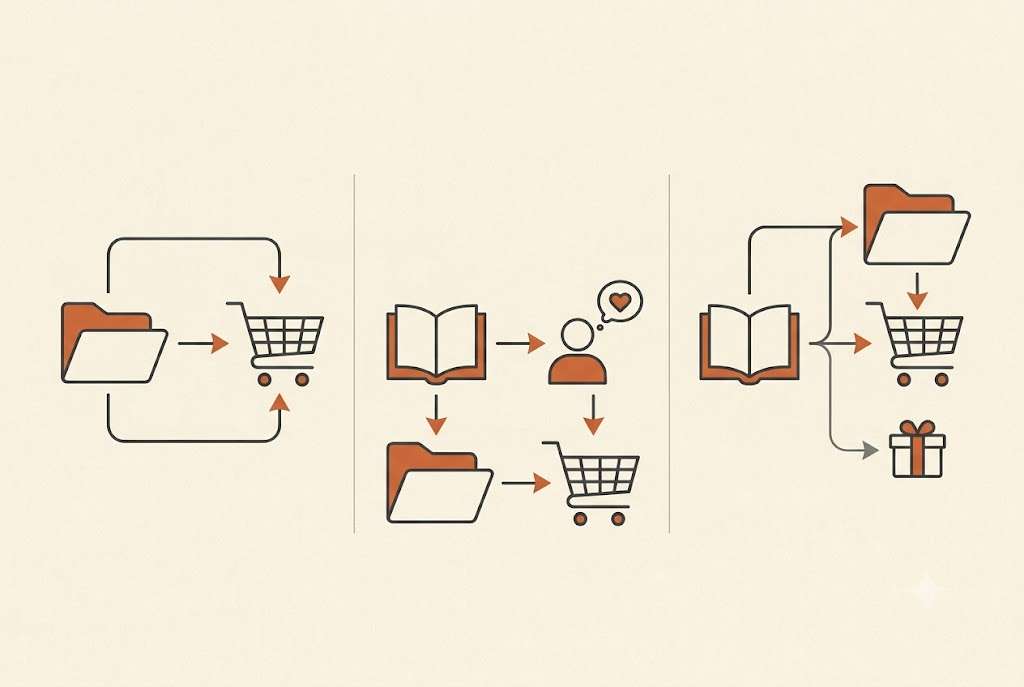
Most digital product businesses lean toward one of three models. Choose one to lead with; you can combine approaches later.
Product-first. You create products and sell them directly. It’s focused, but you need a reliable way to reach potential buyers.
Content-led. A blog, newsletter, or social channel attracts an audience, and your products help some readers take the next step. It can take time to build, but useful content may continue helping people discover you.
Hybrid. Content builds trust, products monetize that trust, and carefully chosen affiliate recommendations may add a secondary stream. Keep the product and the reader’s needs at the center.
Choose the model that fits your strengths, time, and ability to reach customers. Add complexity only after the core offer is working.
Set up the basics
You don’t need a complicated setup. You need:
- A place to sell: Choose a platform or site with checkout and automatic delivery. Compare current fees, features, and customer experience on the provider’s own site.
- A simple brand: Use a clear name, consistent look, and a promise a buyer can repeat.
- Legal and tax basics: Requirements depend on where you operate and what you sell. Check the relevant local rules for registration, taxes, and refunds. India-based readers can start with the Government of India’s GST registration service, then confirm what applies to their circumstances.
- Customer support: Provide a way to contact you and a short FAQ that answers common questions about access, delivery, and use.
Positioning: the part that makes everything easier
Two products can look similar, but the clearer one is easier to understand. Positioning tells people who the product is for, what it helps them do, and why it’s a fit for them.
Write one sentence that covers the audience, result, and distinction. Put that promise on your sales page and repeat it consistently in your bio and emails. If a potential buyer can’t tell what the product does in a few seconds, make the message clearer before adding more features.
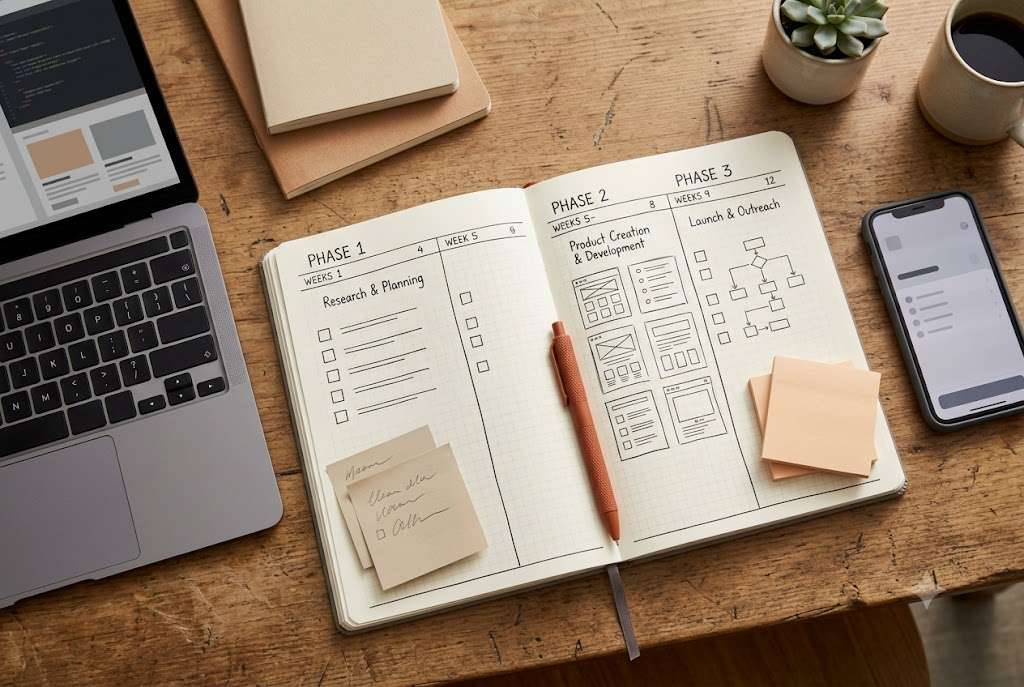
A realistic first 90 days
Treat this as a sequence, not a promise or a deadline.
- Weeks 1–2: Choose a person and a problem. Gather evidence. Write a one-sentence product promise.
- Weeks 3–4: Test interest through conversations, a waitlist, or a carefully explained pre-sale. Use what you learn to refine the offer.
- Weeks 5–8: Build a focused first product and sales page. Set up delivery and, if it supports your plan, a relevant email opt-in.
- Weeks 9–12: Prepare your audience, launch, follow up, and review what happened. Decide what to improve before starting something new.
Some people move faster; others need more time. The order matters more than the calendar.
Where AI fits
AI can speed up research, outlining, drafting, repurposing, and design exploration. It does not replace your expertise, judgment, or responsibility for accuracy.
Use it with guardrails: verify facts, avoid sharing confidential information, check tool and platform terms, and add your own examples and editorial decisions. Rules and expectations can vary by country and platform, so check current guidance that applies to your situation.
Related guide: How to Build an AI-Powered Digital Business
Mistakes that stall new digital product businesses
Building before validating. You can spend weeks polishing something people don’t need. Test the problem first.
Making it too big. A focused product is easier to finish, explain, and improve.
Waiting for perfect. A useful, honest product in the hands of real users gives you better feedback than an unfinished “perfect” one.
Launching to silence. Give people a reason to pay attention before launch day, and make it easy to understand the offer.
Depending on one platform. Where appropriate, build a way to stay in touch with your audience outside a single social channel.
Copying competitors. Learn from the market, then bring your own experience, point of view, and useful process.
Ignoring the numbers. Review visits, signups, purchases, questions, and refunds after a launch. Change one meaningful thing at a time so you can learn what helped.
Your next step
Write one sentence: “I help [specific person] get [specific result].” Then run one small test this week: have five conversations, create a simple waitlist, or ask a thoughtful question where your potential customers already spend time.
A digital product business starts small, specific, and honest. It improves as you learn from real customers.