Rebranding feels exciting. New logo, new colors, new messaging. A fresh start.
But here’s what most founders don’t realize: Rebranding also means starting over with brand recognition. Customers who knew your old brand need to learn your new one. And if you get it wrong, you can damage your business.
That said, sometimes rebranding is exactly what you need. Let’s talk about when, why, and how to do it strategically.
What You'll Learn
ToggleWhen Should You Rebrand? (The Signs)
Sign 1: Your Positioning Has Changed
You started as a budget solution. You’ve evolved into a premium offering. Your original brand (cheap colors, casual tone) doesn’t reflect your new positioning.
Example: A startup launches as “the budget alternative.” It’s cheap, cheerful, approachable. But as the company matures and attracts bigger clients, they realize they can command premium pricing. Suddenly, their “budget” branding becomes a liability. Rebranding is the answer.
Sign 2: Your Target Market Has Changed
You originally targeted freelancers. Now you’re selling to enterprises. The brand that appealed to freelancers (young, trendy, casual) doesn’t resonate with enterprise buyers (professional, trustworthy, established).
This is a legitimate reason to rebrand.
Sign 3: Your Name No Longer Fits Your Business
You started with “Email Scheduler Pro.” Now you’re a full marketing automation platform. Your name is now limiting your growth.
Either you expand the name or you rebrand entirely.
Sign 4: Your Brand Has Negative Associations
This could be due to bad press, a founder scandal, or simply that the market has shifted and your brand feels dated or even offensive.
Sometimes rebranding is a reset button.
Sign 5: Your Brand Doesn't Differentiate You Anymore
When you started, your brand was unique. Now you have 20 competitors with similar brands. Your original differentiation no longer works.
You need a rebrand to stand out.
When Should You NOT Rebrand
Before you rebrand, ask yourself these questions:
- Do I have existing brand recognition I'd lose?
- Are my customers attached to my current brand?
- Is the real problem my positioning, not my brand?
- Could I solve this with a brand refresh instead of a complete rebrand?
If the answer to any of these is “yes,” a full rebrand might not be the answer.

The Rebranding Process: Step by Step
Step 1: Audit Your Current Brand
Before you rebrand, understand what’s working and what’s not with your current brand.
- What do customers currently know about your brand?
- What perception do they have?
- What brand assets do you want to keep?
- What do you absolutely need to change?
Step 2: Define Your New Brand Strategy
Before you design anything, nail your positioning, target audience, and brand personality.
- Who is your new target customer?
- What problem do you solve for them?
- What's your positioning relative to competitors?
- What emotions should your brand evoke?
- What are your core values and personality traits?
Step 3: Communicate Before You Change
This is crucial: Tell your existing customers you’re rebranding BEFORE it happens.
Why? Because if they see a new brand suddenly without context, they might think you’re a new company. Or worse, they might distrust the change.
Send emails, post on social media, publish a blog post explaining:
- What's changing (and what's staying the same)
- Why you're rebranding
- How it benefits them
- When it will roll out
Step 4: Design Your New Brand (Strategically)
Now you design the new visual identity. But here’s the key: Design should support your positioning, not follow trends.
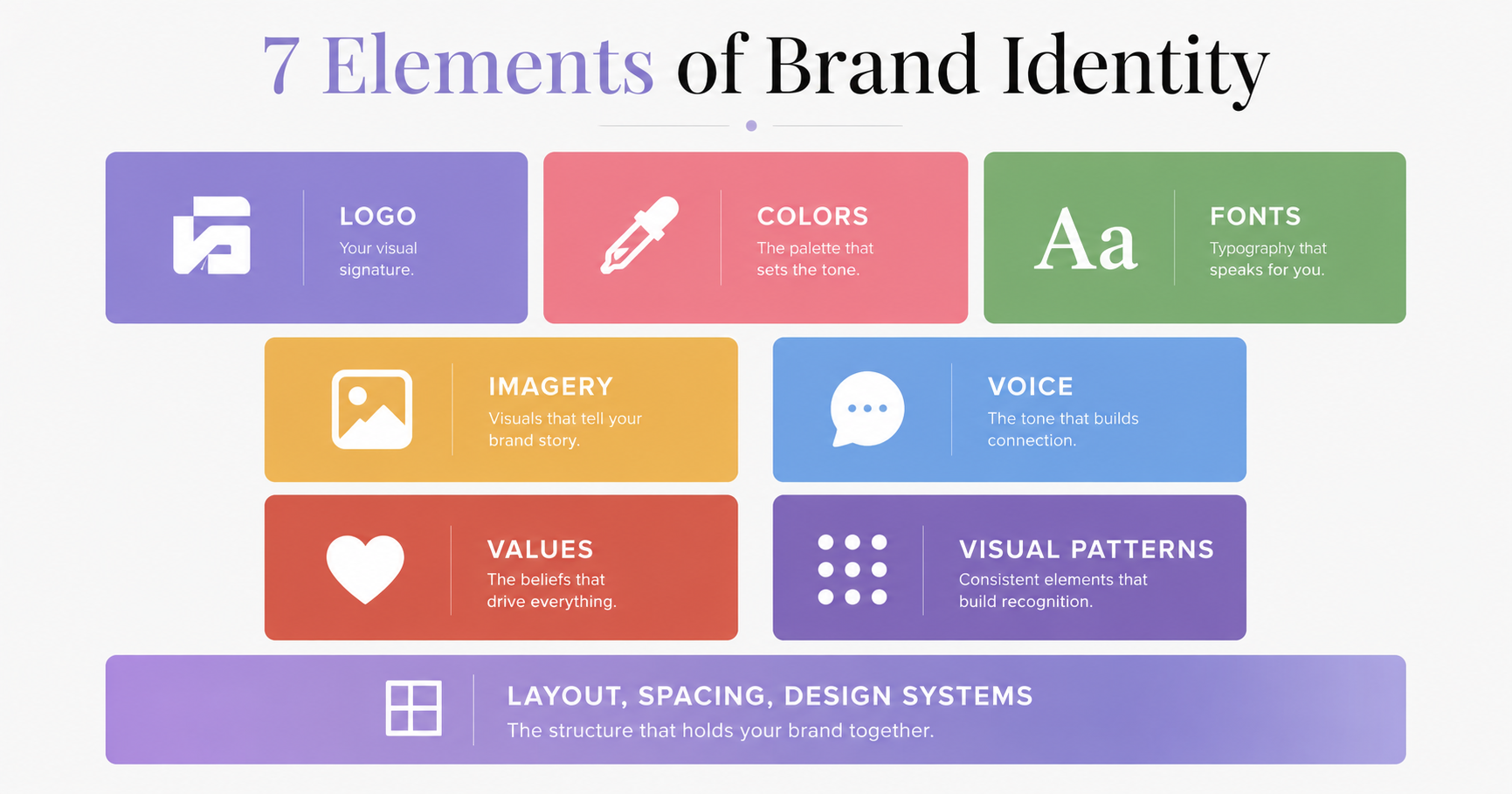
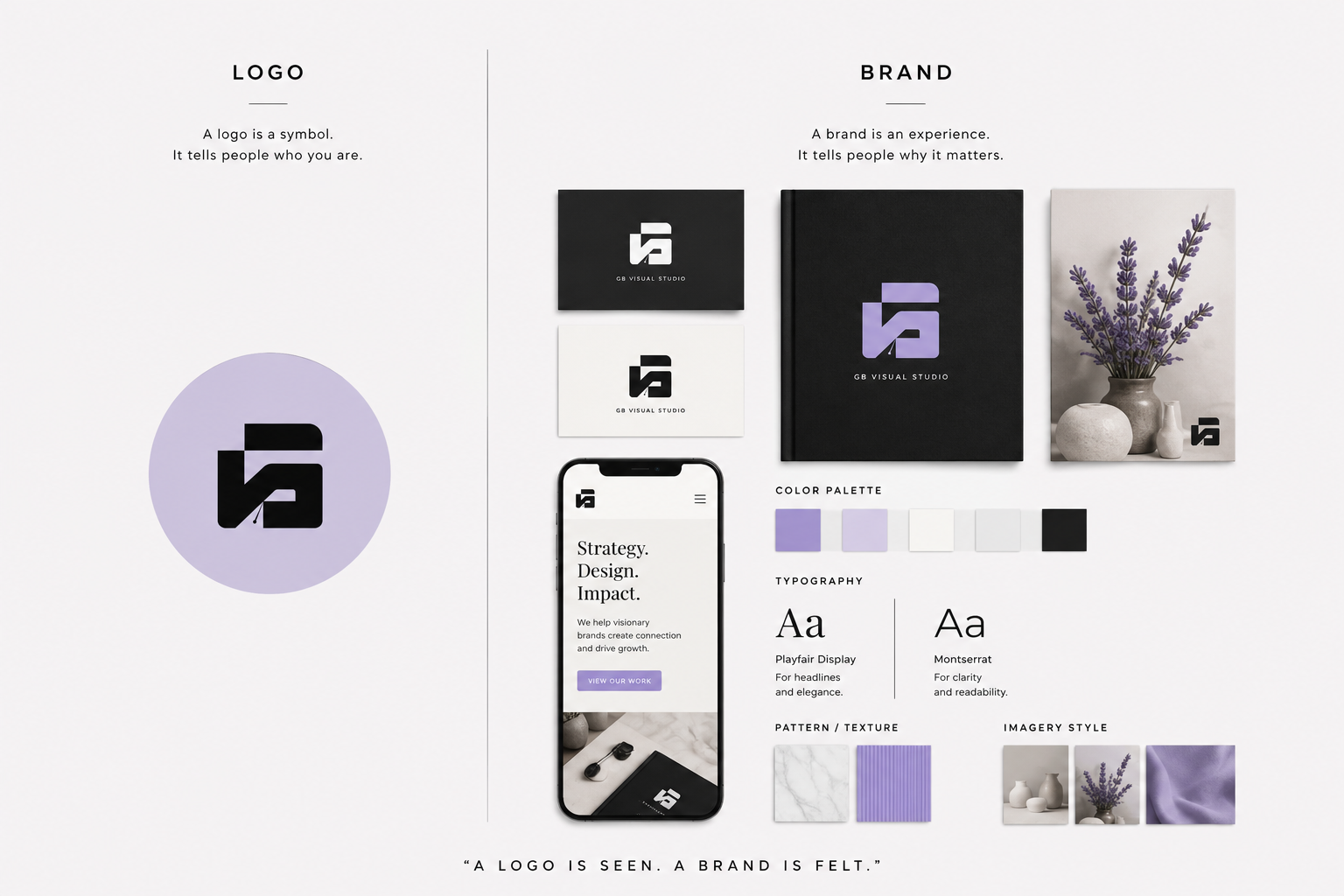
- Logo: Does it reflect your new positioning?
- Color Palette: Do the colors evoke the right emotions?
- Typography: Does it communicate your personality?
- Imagery: Does it resonate with your target customer?
Step 5: Roll Out Gradually (Not All at Once)
Don’t change everything overnight. This creates confusion and can alienate customers.
Instead, do a phased rollout:
- Week 1-2: Announce the rebrand. Start using new logo on social media.
- Week 3-4: Update website, email signatures, business cards.
- Week 5-6: Update marketing materials, product interface (if applicable).
- Week 7-8: Complete transition. Old branding completely phased out.
Step 6: Monitor and Adjust
After the rebrand, track how customers respond:
- Are they confused or accepting?
- Is your new brand resonating with your target audience?
- Are you attracting different types of customers?
- Do you need to make adjustments?
Don’t be afraid to make tweaks in the first 90 days. Better to adjust early than live with a rebrand that doesn’t work.
Real-World Rebranding Examples
Twitter → X
Elon Musk rebranded Twitter to “X” to reflect a broader vision of an “everything app.” The rebrand was controversial and confusing for many users. The lesson: Rebranding without clear communication or strong positioning can backfire.
Yahoo Mail → Yahoo Mail
Yahoo tried to rebrand and “modernize” but didn’t change the core experience. The lesson: Visual rebranding without improving the actual product doesn’t work.
Dunkin' Donuts → Dunkin'
They dropped “Donuts” from their name and updated their brand to reflect their broader menu. The rebrand was executed thoughtfully with clear communication. The lesson: Rebranding should reflect actual changes in your business.
The Pattern: Successful rebrands are driven by real business changes (positioning, product, market). Failed rebrands are usually just cosmetic changes without strategic foundation.
The Rebranding Mistakes to Avoid
Mistake 1: Rebranding Without Strategic Reason
You rebrand because you’re bored or because you saw a competitor rebrand. This is a waste of time and money.
Fix: Only rebrand if there’s a strategic business reason.
Mistake 2: Losing Brand Recognition
You completely change your logo, colors, everything. Now your existing customers don’t recognize you.
Fix: Keep some elements of recognition (maybe you evolve your logo instead of replacing it).
Mistake 3: Not Communicating the Rebrand
You completely change your logo, colors, everything. Now your existing customers don’t recognize you.
Fix: Keep some elements of recognition (maybe you evolve your logo instead of replacing it).
Mistake 4: Chasing Trends Instead of Strategy
Your new rebrand looks trendy today but will look dated in 18 months.
Fix: Design for timelessness, not trendiness.
Before You Rebrand, Audit Your Brand
The most successful rebrands begin with a clear understanding of what's working and what isn't. Download our Brand Audit Checklist to evaluate your branding decisions.